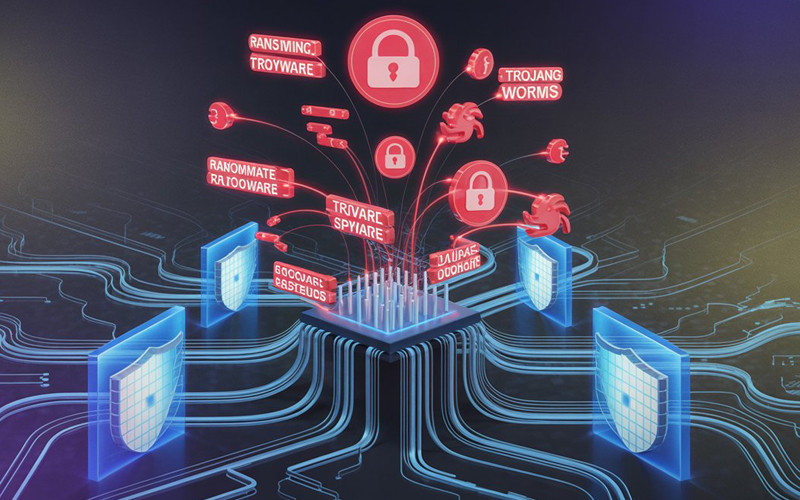
What Is Malware Analysis and Why It Matters
Cyber threats continue to grow more sophisticated every year. Businesses no longer face only simple viruses or spam attacks. Modern malware can hide inside systems, steal sensitive data, or quietly open access points for larger attacks.
This is where malware analysis becomes essential.
Malware analysis is the process of studying suspicious files or software to understand how they behave, what they are designed to do, and how they can be stopped. Instead of simply deleting a threat, analysts investigate it to learn its structure and purpose.
Understanding Malware Behavior
One of the key goals of malware analysis is understanding behavior. Analysts examine how malicious software interacts with a system.
For example, malware might attempt to modify system files, connect to remote servers, or collect user data. By studying these actions, security teams can determine the intent of the attack.
This deeper understanding helps prevent future infections, not just remove the current one.
Static vs Dynamic Analysis
There are generally two approaches used during malware analysis.
Static analysis involves examining malicious files without running them. Security researchers review the code structure, file signatures, and hidden instructions to identify suspicious patterns.
Dynamic analysis, on the other hand, runs the malware inside a controlled environment called a sandbox. This allows analysts to observe how the malware behaves in real time without risking damage to real systems.
Both methods provide valuable insights when used together.
Why Businesses Need Malware Analysis
Many companies rely solely on antivirus software. While antivirus tools are helpful, they cannot always detect new or modified malware variants.
Malware analysis helps organizations:
For businesses handling sensitive customer data, these insights are extremely valuable.
The Role of Malware Analysis in Incident Response
When a security breach occurs, malware analysis plays a critical role in investigation. Security teams use it to determine how the malware entered the system, what it affected, and whether other systems may be compromised.
This information helps organizations respond quickly and prevent further damage.
Final Thoughts
Malware analysis is more than a technical process. It is a proactive cybersecurity strategy that helps organizations stay ahead of evolving threats.
By understanding how malware operates, businesses can improve their defenses, protect sensitive information, and respond to cyber incidents more effectively.