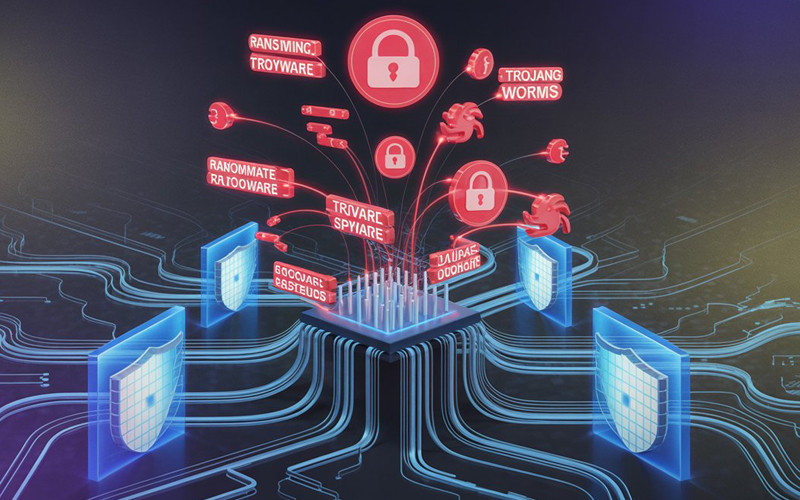
Malware Analysis Explained: How Businesses Identify and Stop Cyber Threats
Malware attacks rarely announce themselves. Most of the time, they hide quietly in systems, collecting data, disrupting operations, or opening doors for bigger attacks. This is why malware analysis plays such a critical role in modern cybersecurity.
Malware analysis is not just about detecting a virus. It is about understanding how a malicious file works, what it is trying to do, and how to stop it before serious damage occurs.
What Is Malware Analysis?
Malware analysis is the process of examining suspicious files, applications, or system behavior to determine whether they are malicious. More importantly, it helps security teams understand how the malware operates.
Instead of only asking ?Is this dangerous??, malware analysis answers deeper questions:
What actions does the malware perform?
How does it enter the system?
What data does it target?
How can it be removed and prevented in the future?
This insight allows businesses to strengthen their defenses instead of reacting blindly.
Why Malware Analysis Matters for Businesses
A single malware infection can lead to data loss, downtime, financial damage, and reputation harm. For businesses, the cost is often far higher than expected.
Malware analysis helps organizations:
Detect hidden threats that traditional antivirus tools miss
Understand attack methods used by cybercriminals
Prevent similar attacks from happening again
Improve overall security posture
It turns incidents into learning opportunities rather than recurring disasters.
Static and Dynamic Malware Analysis
There are two main approaches used in malware analysis.
Static analysis examines malware without running it. Analysts study the file structure, code patterns, and signatures to identify malicious behavior.
Dynamic analysis involves running the malware in a controlled environment, often called a sandbox. This allows analysts to observe real-time behavior such as network connections, file modifications, and system changes.
Using both methods together provides a clearer and more accurate understanding of the threat.
Real-World Impact of Malware Analysis
In one case, a business noticed unusual network traffic but no obvious alerts. Malware analysis revealed a hidden backdoor communicating with external servers. Without analysis, the threat would have remained undetected for months.
This is why malware analysis is not just a technical exercise. It directly protects business continuity.
Conclusion
Malware analysis gives businesses visibility into threats they cannot afford to ignore. By understanding how attacks work, organizations can respond faster, protect sensitive data, and prevent future incidents.
At Violet Crows IT, malware analysis is part of a proactive security mindset, because knowing your enemy is the first step to stopping it.